Storm Drainage Systems: Inlets, Pipes, Catch Basins, and Maintenance
How storm drainage systems collect and convey runoff, common failure points we see in Charlotte, and the maintenance steps that prevent flooding and property damage.
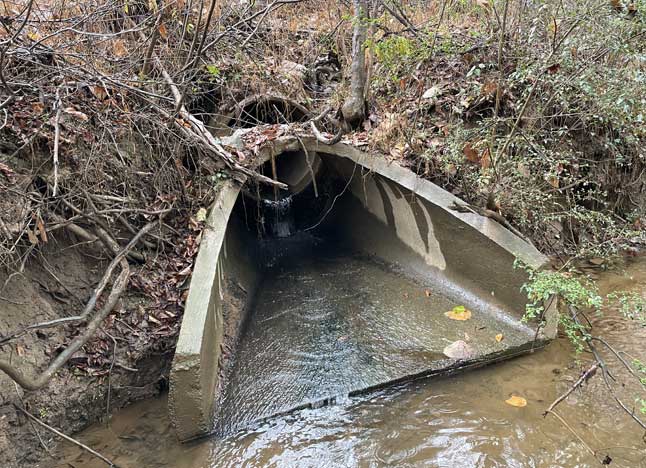
Communities strategically construct stormwater drainage systems, often referred to as stormwater sewer systems, to efficiently collect and transport surface runoff. This proactive measure serves to mitigate local flooding, which has the potential to disrupt traffic flow, cause structural damage to buildings, and jeopardize both personal and public property. The intricate network of drainage system components includes curbs, gutters, drainage swales, ditches, inlets leading to catch basins, and an underground web of stormwater pipes. The primary objective is to channel rainfall runoff and snowmelt toward designated outlets such as streams, rivers, tidal bodies of water, or treatment plants. Innovative urban planning incorporates rain gardens, stormwater ponds, specialized paving materials, and other features aimed at encouraging runoff absorption into the ground, thus reducing reliance on conventional stormwater drainage systems.
Properly sizing stormwater drainage systems to accommodate anticipated runoff from regular storms significantly mitigates adverse impacts on traffic, structures, and the general populace. To maintain functionality, ongoing inspection and maintenance of these systems are imperative. Communities must conduct regular assessments, clearing debris and leaves, cleaning catch basins and stormwater pipes, and making necessary repairs to ensure the seamless operation of the system.
In cases where older stormwater drainage systems were designed for lesser runoff amounts or have suffered from inadequate maintenance, they may struggle to cope with the intensified rainfall events associated with climate change. The consequence is often street flooding, erosion of soil and plantings, and the potential infiltration of water into buildings, especially those with basements, cellars, or below-grade areas. Unchecked floodwater accumulation can lead to substantial damage to walls, flooring, appliances, furnishings, and personal belongings. Buildings with basements face elevated flood risks unless safeguarded against storm drain backups through floor drains or impervious runoff into below-grade areas. Stormwater, following the path of least resistance, may breach buildings through foundation cracks, ground-level windows and vents, exterior stairways, and driveways, potentially causing extensive damage to structures.
As urban stormwater drainage systems age, their efficacy may diminish, especially without regular maintenance. Furthermore, the escalating intensity of storms and increased rainfall, attributed to climate change, poses challenges for these aging systems. The proliferation of buildings and impervious paving amplifies surface water runoff, and as the volume of rainfall runoff rises, existing drainage systems may struggle to manage the increased flow effectively.
To address these challenges, communities need to:
- prioritize ongoing maintenance
- adapt systems to changing climate conditions
- consider modernizing infrastructure to meet evolving demands for stormwater management.
Need Help with a Notice of Maintenance Required (NMR) ?
Fill out the contact form and someone from our team will be in touch shortly!